Mowtec is part of Clinipol Holdings Limited alongside our sister company, Clinical Polymer Technologies (CPT), a specialist manufacturer of silicone components and products for the medical, diagnostic and life-science sectors.
Based in Coalville, Leicestershire, CPT has been manufacturing silicone components since 1989 and operates under an ISO 13485:2016 certified quality management system.
While Mowtec supports customers across a broad range of demanding industrial and engineering applications, CPT provides specialist medical silicone manufacturing capabilities – taking projects from early R&D batches and product development through to validated, full-scale production.
Silicone Moulding & Manufacturing
CPT works with a wide range of silicone materials and manufacturing processes, including:
- Liquid silicone rubber (LSR) injection moulding
- High-consistency rubber (HCR) compression and transfer moulding
- Silicone overmoulding of LEDs, wiring, PCBs and other components
- Custom silicone compounding, colour matching and specialist additives
- Prototype and R&D batch manufacture
- Low, medium and high-volume production
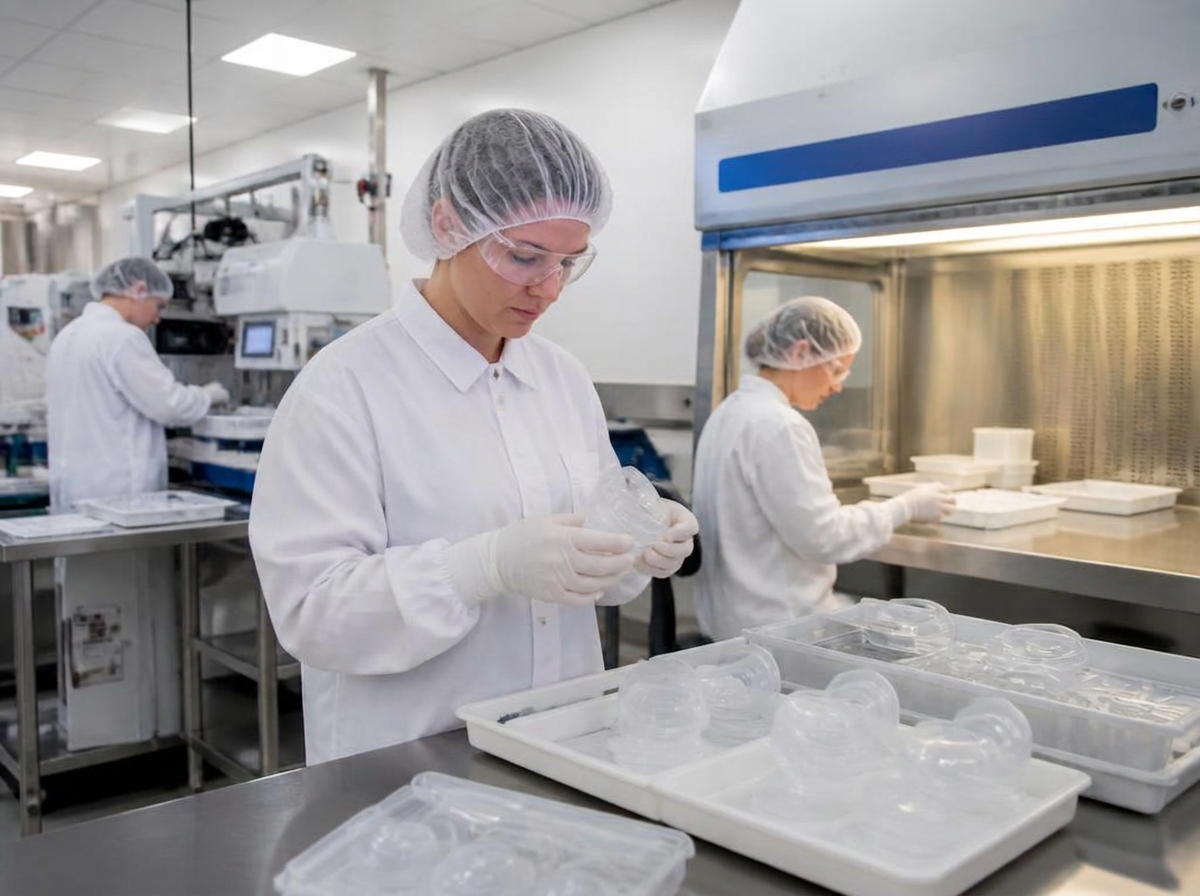
CPT operates two ISO Class 8 cleanrooms, allowing moulding, assembly and downstream operations to be carried out within a controlled manufacturing environment.
More Than Moulding
For medical-device customers, producing the moulded component is often only one part of the manufacturing process.
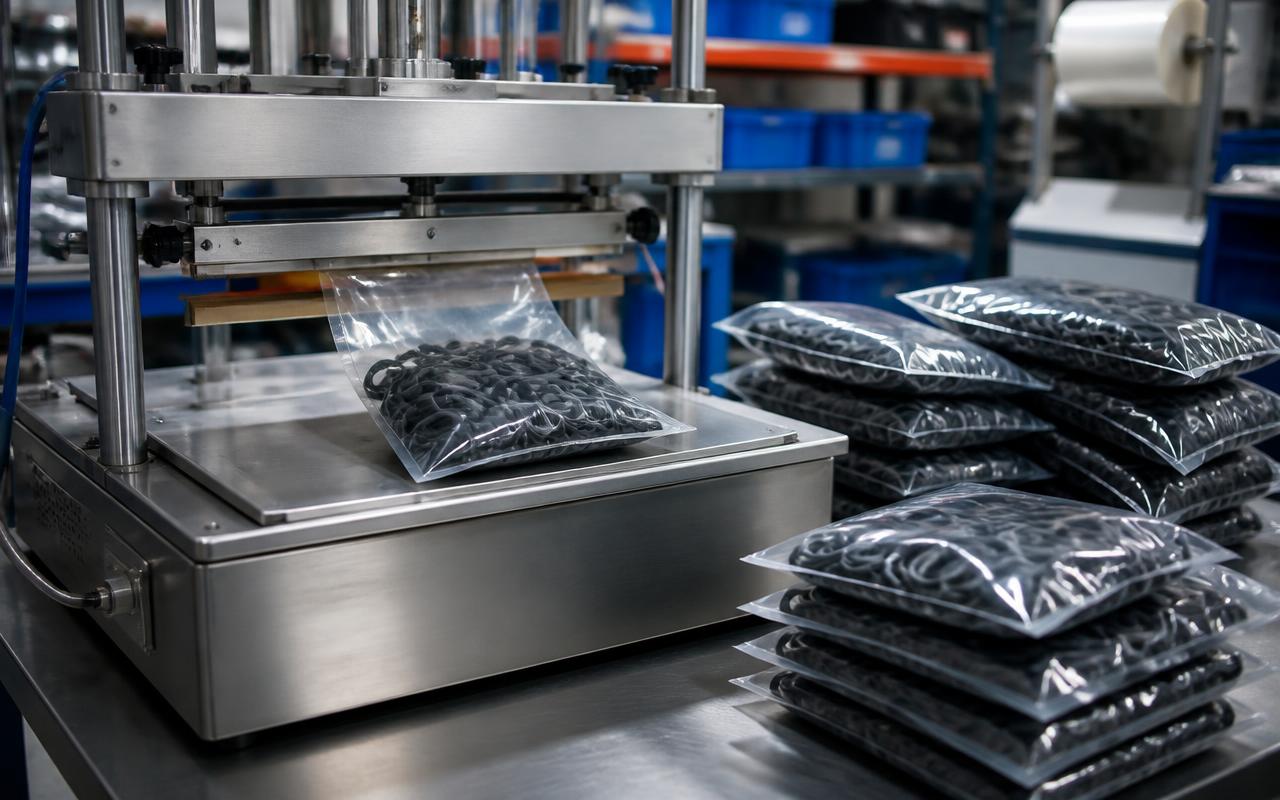
CPT can support additional operations including assembly, pouching and product packing, sterilisation management and microbiological testing such as bioburden testing.
This allows projects to progress from individual moulded components towards finished, packed and sterilised products through a controlled supply chain.
Development & Drug-Delivery Applications
CPT also works with customers on new product development and specialist applications where conventional silicone moulding is only part of the solution.
This includes additive manufacturing for the development of drug-delivery devices, alongside prototyping, material development, tooling and process development.
The ability to manufacture small R&D and development batches before progressing into repeatable production means customers can work with CPT throughout the product lifecycle rather than having to transfer the project between multiple suppliers as volumes increase.
From R&D to Full-Scale Production
CPT's capabilities span the complete journey from initial concept and development through to established manufacture.
Whether the requirement is a handful of parts for an R&D programme, a specialist overmoulded electronic assembly, a new drug-delivery device or an established medical product requiring ongoing production, CPT can develop the manufacturing process and scale it as the project progresses.
Combined with Mowtec's expertise in specialist rubber and polymer components for industrial applications, the two businesses give Clinipol Holdings Limited a broad range of polymer manufacturing capabilities across medical, life-science, engineering and other technically demanding sectors.